All Articles
Guides, prompts, and resources for writers. 843 articles and counting.
Page 27

How to Write an Ensemble Cast
Write an ensemble cast where multiple characters share the spotlight. Balance screen time, distinct voices, and interconnected arcs.

How to Write Backstory Without Info Dumps
Backstory enriches your characters — but too much kills your pacing. Learn when to reveal it, how much to include, and 5 techniques that avoid info dumps.
How to Write Fast Pacing
Create fast pacing with short chapters, sharp sentences, cliffhangers, and ticking clocks. Plus when to slow down even in a fast book.
How to Write Flash Fiction
Flash fiction is storytelling under 1,000 words where every word earns its place. Learn techniques, study famous examples, and find markets.
How to Write from a Child's Point of View
Writing from a child's perspective requires seeing the world with fresh eyes. Learn to capture innocence, limited understanding, and emotional truth.
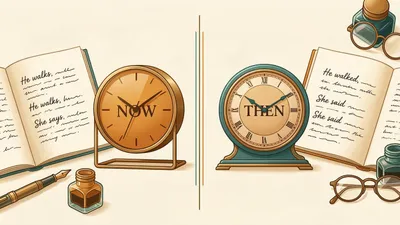
Present Tense vs Past Tense in Fiction
Present tense creates immediacy. Past tense feels natural. Learn the pros, cons, and craft of each — and how to choose the right tense for your story.

How to Write Spicy Scenes in Romance
Write spicy scenes that serve the story. Heat levels explained, emotion-first technique, consent in romance, building tension, and common mistakes to avoid.

How to Write Subtext in Fiction
Subtext is what characters really mean beneath what they actually say. Learn to write dialogue and scenes where the unsaid is louder than the said.

How to Write the Middle of a Book
The middle of a book is where most writers get stuck. Learn how to beat the saggy middle with rising stakes, subplots, and a midpoint that changes everything.

How to Write Under a Pen Name: Setup Guide
Decided to use a pen name? This is the practical setup guide — Amazon accounts, social media, banking, copyright, and keeping your identities separate.

Imagery in Writing: 5 Types with Examples
The five types of imagery in writing — visual, auditory, tactile, olfactory, and gustatory — explained with examples and before-and-after comparisons.

Imposter Syndrome for Writers: 7 Ways to Beat It
Every writer feels like a fraud sometimes. Imposter syndrome is real — and beatable. Learn why it happens, how to recognize it, and 7 ways to write through it.
Inciting Incident: What Starts Your Story
The inciting incident is the event that launches your story. Learn when it should happen, see 5 famous examples, and avoid the most common mistakes.
Irony in Literature: 3 Types Explained
Verbal, situational, and dramatic irony explained with definitions and examples from famous works. A clear guide to all three types of literary irony.

Marriage of Convenience Trope Guide
How to write the marriage of convenience trope in romance. Key beats, modern variations, famous examples, and tips for making arranged marriages compelling.
Metaphor vs Simile: The Key Difference
Metaphor says something IS something else. Simile says it is LIKE something else. Learn the difference with examples from published fiction.

Midpoint Reversal: Fix Your Saggy Middle
A midpoint reversal shifts the protagonist from reactive to proactive halfway through the story. Learn the types, see famous examples, and plan yours.
Motif in Literature: Patterns That Matter
A motif is a recurring element that reinforces theme. Learn how motifs differ from symbols and themes, with examples from Macbeth, Gatsby, and more.
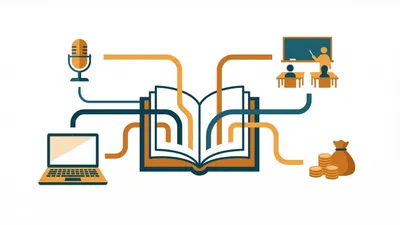
Multiple Income Streams for Authors
Go beyond book sales with courses, coaching, speaking, Patreon, affiliate marketing, and more. Build an author business, not just a writing career.

100+ Mystery Writing Prompts
Mystery writing prompts organized by sub-genre. 100+ specific, creative ideas to spark your next mystery story.
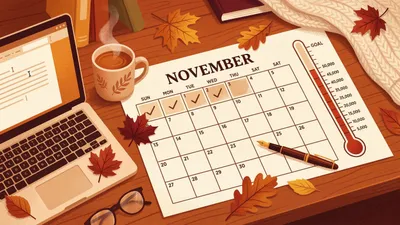
NaNoWriMo Guide: Write 50K in 30 Days
A practical NaNoWriMo guide with daily word count strategy, week-by-week planning, and what to do when you fall behind. Everything you need to finish November.
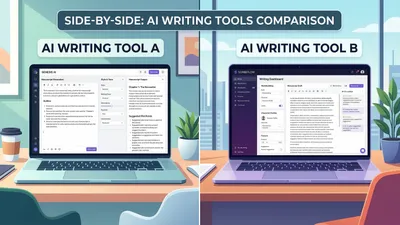
Novelist AI Review: Features, Pricing, Verdict
Novelist AI review: features, pricing, strengths, and weaknesses. How it compares to Chapter for AI book writing. Honest assessment for fiction writers.

How to Write Paranormal Romance
Write paranormal romance that balances worldbuilding with love stories. Covers vampire, shifter, fae, and witch romance with mate bonds, series structure, and examples.
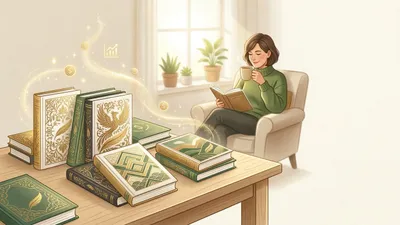
Passive Income From Books: What Is Realistic
Can books really generate passive income? Yes — but the numbers might surprise you. Here is what is realistic and how to maximize your book earnings.