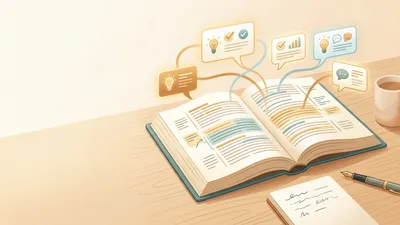
A plot twist is a sudden, unexpected shift in a story’s direction that reframes everything the reader thought they knew. Yes, you can write one that genuinely shocks people — and this guide walks you through the techniques, types, and pitfalls step by step.
What Makes a Plot Twist Work
The best plot twists share two qualities: they are surprising and inevitable. The reader never sees them coming, but the moment the twist lands, they think back through the story and realize every clue was already there.
This is the golden rule. A twist that comes from nowhere feels like a cheat. A twist the reader predicts fifty pages early feels flat. The sweet spot is a reveal that makes the reader flip back through the book, seeing the story with completely new eyes.
According to research on narrative experiences, stories with well-executed twist endings create a cognitive effect called “expectation violation” — the brain flags the surprise, processes it against existing story information, and locks the experience into long-term memory. That is why readers remember great twists for years.
Types of Plot Twists
Not all twists work the same way. Understanding the different types helps you choose the right one for your story.
The Identity Reveal
A character is not who the reader (or other characters) believed them to be. This is one of the oldest and most effective twist structures. The key is building a believable false identity that the reader accepts without question.
Example: In Fight Club, Tyler Durden is revealed to be a projection of the narrator’s fractured mind. Every interaction between them suddenly reads differently.
The Unreliable Narrator
The person telling the story has been lying, misremembering, or withholding the truth. When the reader discovers this, every previous scene requires reinterpretation. If this technique interests you, read our guide on the unreliable narrator for a deeper exploration.
Example: In Gone Girl, the midpoint reveal that Amy is alive and has orchestrated her disappearance reframes the entire first half of the novel.
The Reversal of Fortune
A character’s situation flips dramatically — the hero becomes the villain, the winner becomes the loser, or a plan succeeds in a way that creates a worse outcome than failure would have. This type works especially well paired with strong conflict.
Example: In Flowers for Algernon, Charlie’s extraordinary intelligence gain is reversed, and the reader watches him slowly lose everything he fought to achieve.
The Hidden Connection
Two seemingly unrelated story threads turn out to be deeply connected. A minor detail from chapter three becomes the linchpin of the climax. This twist rewards careful readers and makes the story feel tightly constructed.
Example: In Atonement, the reader discovers that Briony has been writing the story they have been reading — and the happy ending she gave her sister was fiction, not reality.
The Perspective Shift
The reader suddenly sees events from a different angle, and that shift changes the meaning of everything. This can overlap with the unreliable narrator but also works through structural choices like time jumps or dual narratives.
Example: In We Need to Talk About Kevin, the gradual revelation of what Kevin did reshapes every preceding scene between mother and son.
How to Write a Plot Twist: Step by Step
Step 1: Start With the Twist, Not the Setup
Many writers try to bolt a twist onto an existing story. This almost never works. Instead, decide on your twist first, then build the story backward from that reveal.
Ask yourself: What does the reader believe at the moment of the twist? Write the entire story to support that false belief. Every scene, every line of dialogue, every character interaction should reinforce the assumption you plan to shatter.
Step 2: Plant Foreshadowing Early
Foreshadowing is the scaffolding that makes a twist feel earned rather than random. Plant clues in the first third of your story — details that seem insignificant on a first read but carry enormous weight on a second.
The trick is hiding these clues in plain sight. Embed them in moments of high emotion or action, where the reader’s attention is focused elsewhere. A character’s offhand comment during an argument. A detail in a room description that the reader skims past. A question that goes unanswered but doesn’t seem important enough to remember.
Three to five well-placed hints is usually the right number. Fewer and the twist feels unearned. More and perceptive readers will see it coming.
Step 3: Use Misdirection, Not Lies
Misdirection is different from dishonesty. You are not hiding information from the reader — you are directing their attention away from it. Think of it like a magician’s technique: the audience watches the right hand while the left hand does the work.
Red herrings are your primary tool here. Create a plausible alternative explanation that the reader latches onto. If your twist is that the butler committed the crime, give the reader strong reasons to suspect the business partner. The reader feels smart for “solving” the mystery — which makes the real answer hit harder.
Another powerful technique is to present true information in a context that makes the reader interpret it incorrectly. A character says something honest, but the surrounding conversation frames it as a joke or a throwaway line.
Step 4: Make the Twist Change Everything
A good plot twist is not just a surprise — it recontextualizes the entire story. The reader should want to go back and reread from the beginning, seeing every scene through the lens of new information.
Ask yourself: After the twist, does the reader understand the story differently? If the answer is no — if the twist is just a shock with no deeper implications — it is not strong enough.
The twist should also raise the stakes of the story’s climax. The reveal creates a new problem, a deeper conflict, or a more urgent need for resolution. It is not the end of tension but a dramatic escalation of it.
Step 5: Earn the Emotional Payoff
Plot twists that work on a purely intellectual level are clever. Plot twists that work on an emotional level are unforgettable.
Connect your twist to your character’s deepest arc. The reveal should not just change the facts of the story — it should change what the story means for the protagonist. When readers feel the twist in their chest rather than just processing it in their heads, you have written something they will remember.
Step 6: Test It on Readers
You cannot evaluate your own twist objectively. You already know the answer, so you cannot experience the surprise. Beta readers are essential.
Watch for two responses. First: did they see it coming? If more than one or two out of five readers predicted it, your foreshadowing is too heavy or your misdirection too weak. Second: did it feel fair? If readers feel cheated — like the twist came from information they had no access to — you need to add more foreshadowing.
The ideal response is a reader who says some version of: “I never saw it coming, but now it is the only ending that makes sense.”
Plot Twist Examples That Work (and Why)
Understanding why famous twists succeed helps you apply the same principles to your own writing.
Agatha Christie’s mystery novels are a masterclass in misdirection. Christie frequently uses the reader’s assumptions against them — the narrator is the killer, the detective is wrong, the victim is alive. Her twists work because she follows every rule of fair play mystery writing while exploiting the reader’s blind spots. MasterClass breaks down her techniques in their guide to plot twist craft.
The “I am your father” reveal in The Empire Strikes Back works because it transforms the story’s central conflict from external (hero vs. villain) to internal (son vs. father). The twist does not just surprise — it changes the emotional stakes of everything that follows.
The ending of Gone Girl succeeds because Gillian Flynn earns it through meticulous structural construction. The first half builds a complete, believable narrative. The second half dismantles it piece by piece, and each revelation makes the reader question their own assumptions about marriage, performance, and truth.
Common Mistakes to Avoid
- The “it was all a dream” twist. This invalidates everything the reader invested in. Unless you have a genuinely fresh take on this structure (and you almost certainly do not), avoid it entirely.
- Twisting for the sake of twisting. Every twist must serve the story’s themes and characters. If the only purpose is to shock, readers will feel manipulated rather than satisfied.
- Withholding information unfairly. If the twist relies on facts the reader had no reasonable way to know or infer, it feels like cheating. The clues must exist in the text, even if they are disguised.
- Telegraphing the twist too early. If you call attention to your foreshadowing — lingering on a clue, having a character react strangely for no apparent reason — sharp readers will solve your puzzle before you reveal it.
- Contradicting established facts. A twist that breaks the story’s internal logic destroys reader trust. Your twist should reinterpret existing facts, not contradict them.
Using AI to Brainstorm Plot Twists
If you are stuck on finding the right twist for your story, AI writing tools can help you brainstorm possibilities you might not consider on your own.
Our Pick — Chapter
Chapter.pub lets you feed your story outline, characters, and themes into an AI co-writer that suggests plot twist options grounded in your existing narrative. Instead of generating random surprises, it analyzes your story’s structure and proposes twists that fit your foreshadowing and character arcs.
Best for: Fiction writers who want twist ideas that actually fit their story
Why we built it: Brainstorming twists in isolation produces generic surprises. An AI that understands your specific story can suggest revelations you would not reach on your own — while you keep full control over which ideas to pursue.
You can also use Chapter’s AI plot generator to explore full story structures built around a central twist, or its AI story generator to draft scenes testing different twist approaches before committing to one.
FAQ
How many plot twists should a novel have?
Most novels work best with one major twist and one or two smaller surprises. Stacking too many twists trains the reader to expect them, which neutralizes the surprise. A single, perfectly executed twist is more powerful than five clever ones competing for attention.
Can a plot twist happen at the beginning of a story?
Yes. An early twist can reframe the reader’s understanding of the entire premise and create rising tension that carries through the rest of the narrative. The first chapter reveal in Gone Girl is an effective example — the reader’s assumptions about the central relationship are shattered early, creating uncertainty that drives every subsequent page.
What is the difference between a plot twist and a surprise?
A surprise is a momentary shock. A plot twist changes the meaning of the story. If you remove the twist and the story still works the same way, it was just a surprise. If removing it makes the story collapse or fundamentally change, it is a true twist. The distinction matters because readers remember twists and forget surprises.
How do I know if my plot twist is too predictable?
Beta readers are the only reliable test. You cannot evaluate your own twist because you already know the answer. Give your draft to five readers and ask two questions: did you see the ending coming, and did it feel fair? If more than two predicted it, strengthen your misdirection. If any felt cheated, strengthen your foreshadowing.