Unabridged means complete, full-length, and unshortened. When a book, dictionary, or audiobook is labeled “unabridged,” it contains every word the author originally wrote — nothing has been cut, condensed, or removed.
What Does Unabridged Mean?
The word breaks down simply. “Abridge” means to shorten or condense. The prefix “un-” negates it. So “unabridged” means “not shortened.”
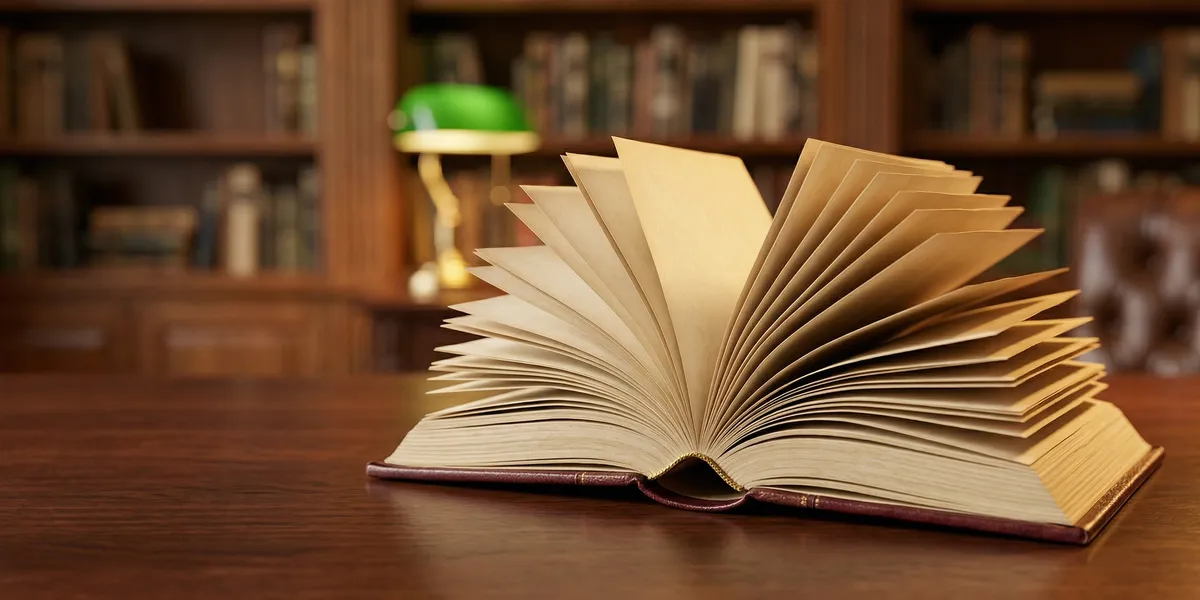
In publishing, an unabridged edition preserves the author’s complete text exactly as it was written. Every chapter, paragraph, scene, and sentence remains intact. No editor has gone through and trimmed descriptions, cut subplots, or removed passages to save space or time.
The term shows up most often in three contexts: books, dictionaries, and audiobooks.
Unabridged vs Abridged: The Key Difference
The distinction is straightforward.
| Feature | Unabridged | Abridged |
|---|---|---|
| Content | Complete original text | Shortened version |
| Length | Full-length | Reduced, sometimes significantly |
| What’s removed | Nothing | Descriptions, subplots, secondary scenes |
| Author’s intent | Fully preserved | Partially preserved |
| Common formats | Print editions, premium audiobooks | Reader’s Digest editions, classroom versions |
An abridged version cuts content to make it shorter or more accessible. What gets removed varies — it might be lengthy descriptions, entire subplots, secondary character arcs, or extended dialogue. Sometimes the cuts are simple deletions. Other times, an editor rewrites passages to keep the narrative coherent despite the missing material.
Jane Austen’s Emma, for example, includes pages describing a single room in detail. An abridged version might reduce that to a single paragraph. The story still works, but the texture of Austen’s writing is lost.
Unabridged in Books
When you pick up a standard print edition from a bookstore, it is almost always unabridged. The label becomes relevant when a shortened version also exists.
Classic literature is where you see the distinction most clearly. Works like Les Miserables by Victor Hugo, The Count of Monte Cristo by Alexandre Dumas, and Don Quixote by Cervantes all have widely circulated abridged editions because the originals are exceptionally long. The unabridged Count of Monte Cristo runs over 1,200 pages. The abridged Penguin Classics edition is closer to 500.
Children’s editions of classic literature are another common example. The Brothers Grimm fairy tales in their unabridged form are considerably darker and more detailed than the shortened versions found in children’s anthologies.
If a book doesn’t specify, assume it’s unabridged. Publishers only add the label when they need to distinguish it from a shortened version.
Unabridged in Audiobooks
The unabridged label matters most in audiobooks. Before digital distribution made storage cheap, audiobooks on cassette tape or CD were frequently abridged to reduce the number of discs and keep production costs down. A 20-hour unabridged recording might be cut to 6 or 8 hours in its abridged form.
Today, most major audiobook platforms — Audible, Libro.fm, Apple Books — default to unabridged recordings. But abridged versions still exist, particularly for older titles. Always check the product listing before buying.
The difference in listening experience is significant. An abridged audiobook tells you the same basic story, but with less nuance, fewer scenes, and sometimes major subplots removed entirely.
Unabridged in Dictionaries
In dictionaries, “unabridged” signals comprehensiveness. An unabridged dictionary attempts to catalog every word in the language, including archaic terms, regional dialects, technical jargon, and rare usage.
Webster’s Third New International Dictionary, Unabridged contains over 476,000 entries. A standard desk dictionary might have 100,000 to 170,000. The unabridged edition is the reference other dictionaries are derived from — a complete record rather than a practical everyday tool.
Most people never need an unabridged dictionary. But for researchers, linguists, and writers looking for precise or unusual words, the unabridged version is the definitive source.
When Should You Choose Unabridged?
Not every situation calls for the full-length version. Here is when each makes sense:
Choose unabridged when:
- You want the complete experience the author intended
- You are studying literature for a class or research
- You want every subplot, character arc, and descriptive passage
- You are writing about or reviewing the work
- You are a writer studying craft techniques and style
Choose abridged when:
- You want the core story without extensive detail
- You have limited time and want the essentials
- You are introducing young readers to classic literature
- The full-length version is prohibitively long for your purposes
Related Publishing Terms
If you are learning book terminology, a few related terms are worth knowing:
- Abridged — shortened or condensed from the original
- Annotated — includes notes, commentary, or explanations alongside the original text
- Revised — updated or corrected by the author
- Expanded — includes additional material not in the original edition
- Definitive — considered the final, authoritative version of a text
Each describes a different relationship between an edition and the original work. Unabridged is the simplest: it means nothing was taken away.
FAQ
Is unabridged the same as the original?
In most cases, yes. An unabridged edition contains the author’s complete text as originally published. However, an unabridged edition might still include minor corrections or formatting changes between printings. The key distinction is that no content has been deliberately removed or shortened.
Are most books sold today unabridged?
Yes. The vast majority of print books and ebooks are unabridged by default. The label is mainly used to distinguish editions in cases where abridged versions also exist — classic literature, audiobooks, and reference works.
Why do abridged versions exist?
Abridged editions serve readers who want a shorter experience. They reduce cost, save time, and make long or complex works more accessible. Classroom editions, children’s adaptations, and older audiobook recordings are the most common abridged formats.