Fiction Writing
Craft compelling stories and novels

How to Write a Redemption Arc That Feels Earned
A redemption arc turns a flawed or villainous character into someone worth rooting for. Learn the beats, see famous examples, and write one that earns it.

How to Write a Satisfying Ending
A satisfying ending makes readers glad they kept reading. Learn what makes endings work — and the 5 types of endings every writer should know.
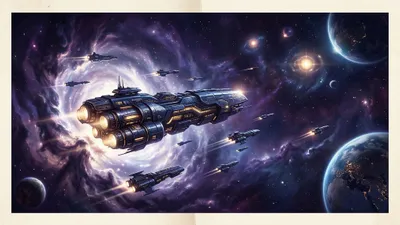
How to Write a Space Opera
Space opera is sci-fi at its most epic — galactic empires, space battles, and big ideas. Learn to write sweeping space fiction that works.

How to Write a Strong Female Character
Strong female characters are not just women who punch. Learn to write complex, capable, flawed women who feel real — not like checkboxes.

How to Write a Twist Ending That Changes Everything
A twist ending reframes everything. Learn the difference between a cheap surprise and a revelatory twist — and how to plant clues readers miss.

How to Write a Villain With Real Depth
A great villain makes a great story. Learn how to write villains with real motivation, menace, and depth — not cardboard cutouts.
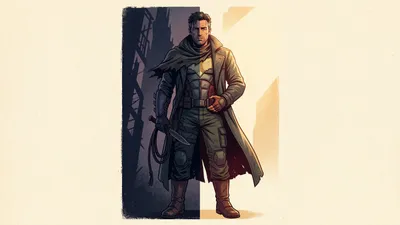
How to Write an Antihero Readers Root For
An antihero breaks the rules and readers love them for it. Learn how to write morally complex protagonists that audiences root for despite their flaws.

How to Write Humor in Fiction
Writing humor is harder than it looks. Learn the mechanics of comedy in fiction — timing, subversion, character voice, and when jokes can carry a story.

How to Write LitRPG
LitRPG blends fiction with game mechanics — stats, levels, and skill trees inside a story. Learn the rules of this fast-growing genre.

How to Write Multiple POV Without Confusion
Multiple POV lets you show a story from different angles. Learn when to use it, how to make each voice distinct, and the rules that prevent confusion.

How to Write Suspense That Grips Readers
Suspense keeps readers turning pages. Learn the techniques — dramatic irony, ticking clocks, withholding information — that build tension in any genre.
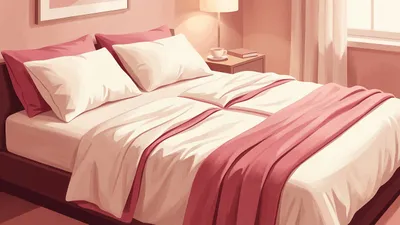
Only One Bed: Why This Trope Works
Only one bed is romance most beloved setup. Learn why this simple trope creates maximum tension — and how to write it without it feeling forced.