The climax is the moment of peak confrontation in a story, where the central conflict reaches its highest intensity and is resolved through irreversible action. It is not the ending. It is the decisive moment that makes the ending possible.
Every story builds toward its climax. If the climax fails, the entire story fails with it.
What is a climax?
The climax is the scene or sequence where the protagonist faces the central conflict at its maximum intensity and the outcome is decided. After the climax, the story’s central question is answered.
Three characteristics define a climax:
- Maximum stakes. Everything the protagonist cares about is on the line. There is no higher point of tension possible in this story.
- Irreversible action. The protagonist does something (or something happens) that cannot be undone. The world is permanently changed.
- Resolution of the central conflict. The main question, will the hero survive, will the lovers unite, will justice prevail, is answered.
The climax is the peak of the rising action that has been building since the inciting incident. It is the payoff the reader has been waiting for.
Climax vs ending
This distinction is critical and commonly confused.
The climax is the peak moment of confrontation. It is the explosion, the confession, the final battle, the revelation.
The ending (also called the denouement or resolution) is what comes after. It shows the consequences of the climax, ties up remaining threads, and establishes the new normal.
In The Hunger Games, the climax is Katniss’s gambit with the nightlock berries, forcing the Capitol to declare two victors. The ending is the return to District 12, the victory tour, and the setup for what comes next. The climax resolves the conflict. The ending shows the world that results from it.
| Element | What it is | Where it falls | What it does |
|---|---|---|---|
| Climax | Peak confrontation | ~90% of the novel | Resolves the central conflict |
| Falling action | Immediate aftermath | 90-95% | Shows consequences |
| Denouement / ending | New normal | 95-100% | Closes the story |
A common mistake is dragging the climax past its peak. Once the central conflict is resolved, the story should wind down relatively quickly. Readers have emotional momentum from the climax. Use it. Do not stall it with new subplots or extended aftermath.
What makes a great climax
The character arc culminates
The best climaxes are not just about what happens. They are about who the protagonist has become. The protagonist’s internal change, their character arc, should be the engine that drives the climactic action.
In Pride and Prejudice, the climax works because Elizabeth and Darcy have both changed. Their final conversation is only possible because she shed her prejudice and he shed his pride. The external resolution (their union) is the visible expression of their internal transformation.
The stakes are at maximum
If the climax could have happened at any earlier point in the story, the rising action did not do its job. The climax should feel like the only possible moment for this confrontation, the moment where all the accumulated pressure finally breaks.
The action is irreversible
The protagonist cannot undo what they do in the climax. Harry cannot un-sacrifice himself. Katniss cannot take back the berries. Frodo cannot un-destroy the Ring. Irreversibility is what separates a climax from a plot event. Plot events change situations. Climaxes change realities.
Surprise and inevitability coexist
The best climaxes feel both surprising and inevitable. The reader did not see this exact outcome coming, but looking back, every element was in place. This is the hardest thing to achieve and the hallmark of great plotting.
Agatha Christie was a master of this. The climax of Murder on the Orient Express, that everyone did it, is shocking on first read and perfectly logical on reflection.
Types of climaxes
The decisive battle
The protagonist confronts the antagonist directly. The central conflict is resolved through action.
Example — The Lord of the Rings: The destruction of the Ring at Mount Doom. Note that Frodo does not heroically throw it in. The climax works because it honors the story’s themes: mercy (sparing Gollum earlier) and the corrupting nature of power (Frodo’s failure to resist).
The revelation
The truth comes out, and the truth resolves the conflict.
Example — Gone Girl: The climax is not a physical confrontation but Amy’s final trap. Nick realizes he cannot escape without becoming complicit. The revelation of Amy’s full plan and Nick’s choice to stay is the irreversible moment.
The sacrifice
The protagonist gives up something essential to resolve the conflict.
Example — Harry Potter and the Deathly Hallows: Harry walks into the forest to die. His willingness to sacrifice himself, echoing his mother’s sacrifice, is both the character arc’s culmination and the mechanism that defeats Voldemort.
The choice
The protagonist faces a decision where both options carry enormous consequences. The choice itself is the climax.
Example — Sophie’s Choice: The title says it all. Sophie must choose which of her children will be taken. The choice is irreversible, devastating, and the moment the entire novel builds toward.
The confrontation of truth
The protagonist confronts an internal truth that resolves the external conflict.
Example — Pride and Prejudice: Elizabeth and Darcy’s final conversation is not a battle or a revelation to the reader. It is two characters confronting the truth about themselves and each other. The internal confrontation resolves the external question of whether they will be together.
How to write your climax
Start with the central question. What is the main question your story asks? The climax is the scene that answers it. If you cannot name the question, you cannot write the climax.
Make the protagonist drive it. The protagonist must be the agent of the climactic action. If a secondary character, a natural disaster, or sheer luck resolves the conflict, the reader will feel cheated. The protagonist earned this moment. Let them take it.
Raise the stakes one final time. Just before the climax, add one more complication. The dark night of the soul at 75% strips the protagonist down. The final escalation at 85-90% is the last twist of the knife that makes the climactic action desperate and necessary.
Keep it focused. The climax is one confrontation, one question, one resolution. If your climax tries to resolve five subplots simultaneously, it will feel cluttered. Resolve the central conflict in the climax. Handle the rest in the falling action.
End it cleanly. Once the irreversible action has occurred, stop. Do not extend the climax past its natural peak. Move to the falling action and let the reader absorb what happened.
The climax in story structure
| Framework | Climax placement | Related beats |
|---|---|---|
| Three Act Structure | Early Act 3 (~85-90%) | Follows the second turning point |
| Save the Cat | Finale (Beat 14, 80-99%) | Follows Break into Three |
| Hero’s Journey | The Resurrection (Stage 11) | Follows the Road Back |
Every structural framework places the climax in the same position because the position is not arbitrary. It is the point where maximum accumulated tension meets maximum character transformation.
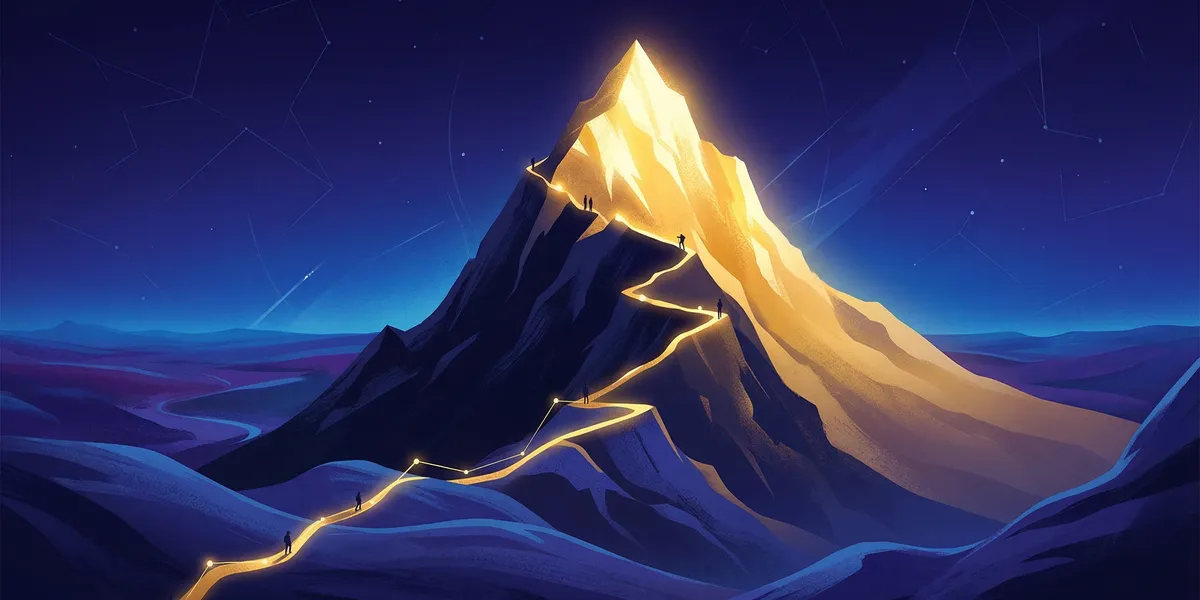
The climax is not something that happens to your story. It is what your story has been building toward from the first page. Every inciting incident, every midpoint reversal, every dark night exists to make the climax land. Get it right, and the reader will forgive almost anything else. Get it wrong, and nothing else can save the book.