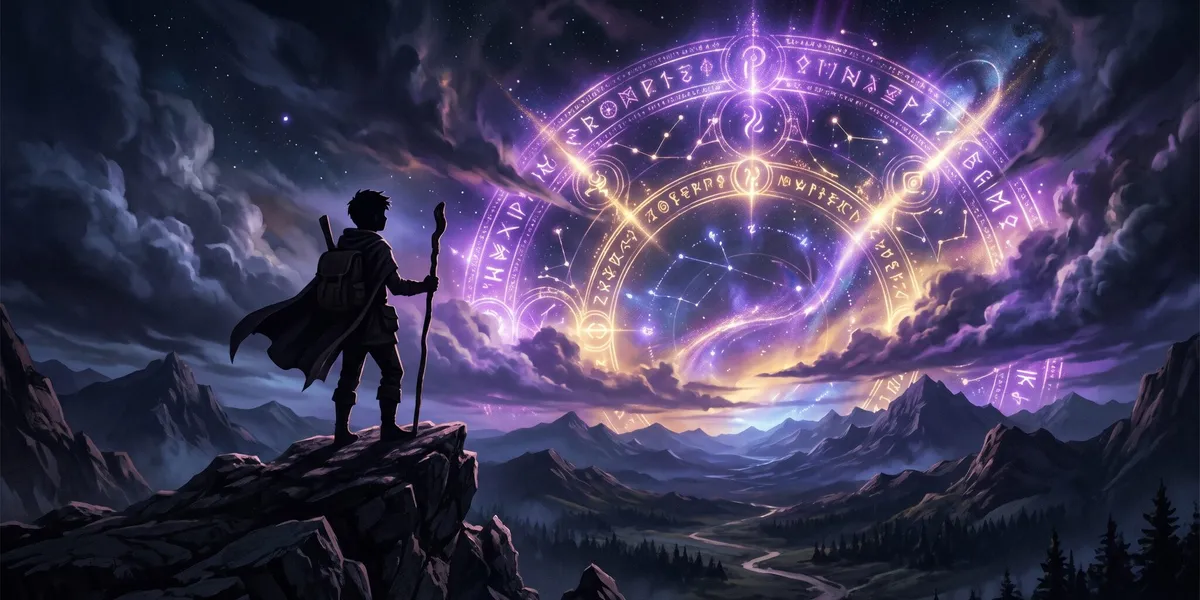
The Chosen One trope is a narrative pattern where a single character is prophesied, destined, or uniquely qualified to save the world, fulfill a quest, or defeat an ultimate evil. It’s one of fiction’s oldest and most beloved frameworks — and one of the easiest to write badly.
What Makes the Chosen One Trope Work
The Chosen One trope endures because it taps into a universal fantasy: the idea that you matter, that you’re special, that the universe has a purpose for you specifically. When written well, it combines personal identity struggle with epic external stakes.
The trope works when the prophecy creates tension, not certainty. A Chosen One whose victory is guaranteed is boring. A Chosen One who doubts, suffers, and might fail — that’s a story worth reading.
How to Write a Compelling Chosen One Story
Make the Prophecy a Burden, Not a Gift
The best Chosen One stories treat destiny as a weight, not a prize. Your character didn’t ask for this. They might not want it. The expectation placed on them by the prophecy should create internal conflict that mirrors the external threat.
Ask: what does your character lose by being the Chosen One? Freedom? Relationships? Their own identity? The cost of destiny is where the real story lives.
Build Doubt Into the Prophecy
Prophecies should be ambiguous. If the prophecy is “The blue-eyed child will defeat the Dark Lord on the solstice,” there’s nothing for the reader to wonder about. But if it’s “When the broken crown sings, the unwilling hand will end what should not have begun” — now there’s interpretation, doubt, and the possibility of being wrong.
Ambiguous prophecies let you:
- Create competing interpretations (multiple characters think they’re the one)
- Build tension about whether the prophecy is even real
- Surprise readers with how the prophecy is actually fulfilled
- Let your character choose to fulfill it in an unexpected way
Give the Chosen One Agency
Destiny shouldn’t make choices for your character. The most satisfying Chosen One stories are about a character who chooses to accept or reject their destiny — not one who’s dragged through a predetermined plot.
Key moments of agency:
- The initial refusal (and the consequences that force reconsideration)
- The decision to train, prepare, or seek knowledge
- The moment they choose to face the threat rather than being pushed to it
- How they fulfill (or subvert) the prophecy on their own terms
Create a Cost for Being Chosen
Being special should hurt. Every power, knowledge, or destiny that makes your character the Chosen One should come with a price:
- Isolation from people who can’t understand their burden
- Physical toll from wielding their unique ability
- Moral compromises required by their mission
- Sacrifice of something precious at the climax
The cost is what makes a Chosen One relatable instead of wish-fulfillment.
Ways to Subvert the Chosen One Trope
The Wrong Chosen One
The character everyone believes is the Chosen One isn’t actually the one the prophecy refers to. The real Chosen One is someone unexpected — perhaps someone in the background, someone dismissed, or someone who seemed like a side character.
The Chosen One Fails
The prophecy is fulfilled — but not in the way anyone expected. Maybe the Chosen One defeats evil but destroys themselves or the world in the process. Maybe winning looks nothing like what was promised.
The Prophecy Is a Lie
Someone manufactured the prophecy for their own purposes — political control, manipulation, or misdirection. The “Chosen One” was created by those in power, not by destiny.
Multiple Chosen Ones
The prophecy applies to several people, and the question becomes which one fulfills it — or whether they need to work together. This subversion explores how destiny is collaborative, not singular.
The Chosen One Refuses
What happens when the Chosen One says no? This subversion explores free will vs. fate and forces other characters to step up or find alternative solutions.
Building the World Around Your Chosen One
The Prophecy System
Create rules for how prophecy works in your world:
- Who delivers prophecies? (Oracles, gods, ancient texts, dreams)
- How reliable are they? (Always true, often misinterpreted, sometimes wrong)
- Can they be changed? (Fixed fate vs. malleable future)
- What happens when a prophecy fails?
The Supporting Cast
Your Chosen One needs a cast that challenges and supports them:
- The Mentor — Guides but doesn’t solve problems for the hero
- The Skeptic — Doubts the prophecy and forces the Chosen One to prove themselves
- The Rival — Someone who believes they should be the Chosen One instead
- The Believer — Follows the Chosen One with dangerous faith
- The Antagonist — Opposes the prophecy’s fulfillment (and has reasons the reader understands)
The Power System
If your Chosen One has special abilities, establish clear rules:
- What can they do that others can’t?
- What are the limitations?
- What’s the cost of using their power?
- How does their power grow (or change) throughout the story?
For more on building tension in your Chosen One story, see our guide on writing slow-build tension. For complex narrative structures, explore parallel plotlines and nonlinear narratives.
Our Pick — Chapter
Ready to write your Chosen One epic? Chapter helps authors structure and draft their books with AI assistance. While Chapter specializes in nonfiction, its outlining and writing tools work for any author planning a complex narrative. Over 10,000 authors.
Best for: Authors structuring and writing books Pricing: $97 one-time
Common Mistakes With Chosen One Stories
- The Chosen One is good at everything. Competence is fine; invincibility is boring. Give your hero genuine weaknesses that aren’t just minor inconveniences.
- Supporting characters exist only to serve the Chosen One. Every character should have their own goals and agency. A story where everyone orbits the hero feels like a power fantasy, not literature.
- Destiny removes all tension. If the prophecy guarantees victory, there are no stakes. Build doubt about interpretation, timing, cost, and method.
- The training montage replaces character development. Getting stronger isn’t the same as growing as a person. Your Chosen One should change emotionally, not just gain abilities.
- Evil is evil because it’s evil. Give your antagonist real motivations for opposing the prophecy. The best villains believe they’re saving the world from a different threat.
FAQ
What is the Chosen One trope?
The Chosen One trope is a narrative pattern where a character is prophesied or destined to fulfill a critical mission — typically saving the world, defeating ultimate evil, or restoring balance. It appears across fantasy, science fiction, and mythology. The trope works best when destiny creates tension and cost rather than guaranteed victory.
How do you make a Chosen One story original?
Make a Chosen One story original by subverting reader expectations: use ambiguous prophecies, make destiny a burden with real costs, give the hero genuine agency to accept or reject their fate, or subvert the trope entirely with a wrong Chosen One, a failed prophecy, or a refusal. Internal conflict matters more than external powers.
What are examples of the Chosen One trope?
Famous Chosen One examples include Harry Potter (prophesied to defeat Voldemort), Frodo Baggins (ring-bearer chosen by fate), Neo from The Matrix (The One), Anakin Skywalker (the chosen one to bring balance), and Paul Atreides in Dune (a complex deconstruction where the prophecy was engineered for political control).
How do you subvert the Chosen One trope?
Subvert the Chosen One trope by having the prophecy be wrong or manipulated, introducing multiple candidates who might be the one, having the Chosen One refuse the call permanently, or making the fulfillment of the prophecy look nothing like expected. The most effective subversions still honor the emotional core of the trope while challenging its assumptions.