All Articles
Guides, prompts, and resources for writers. 895 articles and counting.
Page 30

Midpoint Reversal: Fix Your Saggy Middle
A midpoint reversal shifts the protagonist from reactive to proactive halfway through the story. Learn the types, see famous examples, and plan yours.
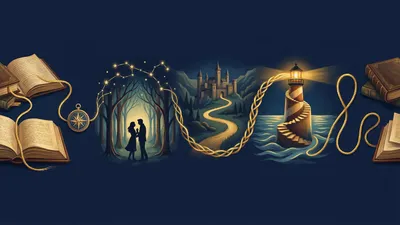
Motif in Literature: Patterns That Matter
A motif is a recurring element that reinforces theme. Learn how motifs differ from symbols and themes, with examples from Macbeth, Gatsby, and more.
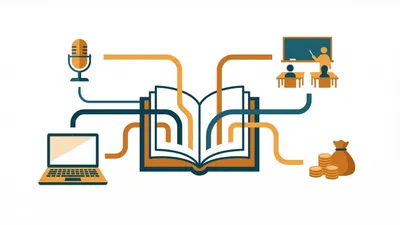
Multiple Income Streams for Authors
Go beyond book sales with courses, coaching, speaking, Patreon, affiliate marketing, and more. Build an author business, not just a writing career.

100+ Mystery Writing Prompts
Mystery writing prompts organized by sub-genre. 100+ specific, creative ideas to spark your next mystery story.
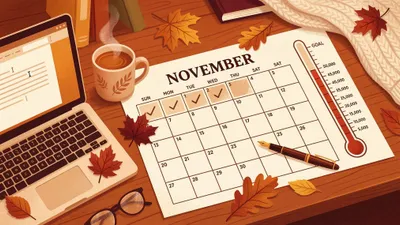
NaNoWriMo Guide: Write 50K in 30 Days
A practical NaNoWriMo guide with daily word count strategy, week-by-week planning, and what to do when you fall behind. Everything you need to finish November.
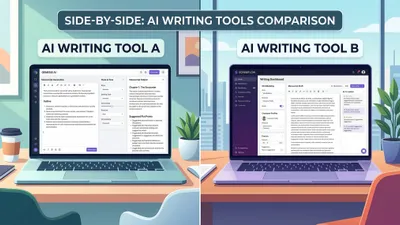
Novelist AI Review: Features, Pricing, Verdict
Novelist AI review: features, pricing, strengths, and weaknesses. How it compares to Chapter for AI book writing. Honest assessment for fiction writers.
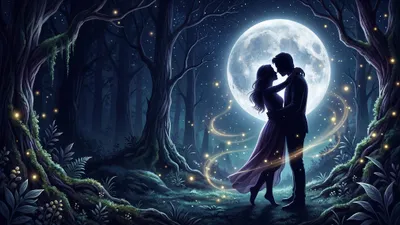
How to Write Paranormal Romance
Write paranormal romance that balances worldbuilding with love stories. Covers vampire, shifter, fae, and witch romance with mate bonds, series structure, and examples.
Passive Income From Books: What Is Realistic
Can books really generate passive income? Yes — but the numbers might surprise you. Here is what is realistic and how to maximize your book earnings.

Pathetic Fallacy: When Nature Feels
Pathetic fallacy is when nature reflects characters' emotions — storms during conflict, sunshine during joy. Learn to use it well and avoid cliche.
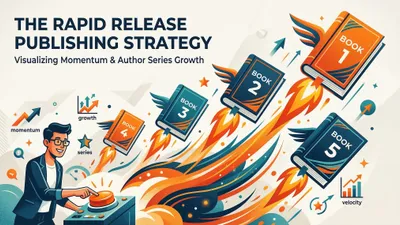
Rapid Release Strategy for Authors
Learn the rapid release publishing strategy. Publish books 30-90 days apart to build momentum, satisfy the Amazon algorithm, and grow your readership fast.
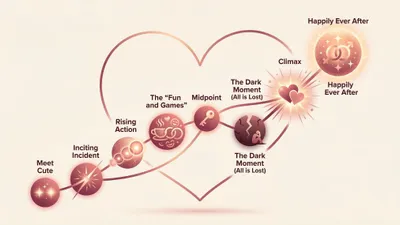
The Romance Beat Sheet: 8 Essential Beats
The 8 essential romance beats every love story needs. From the meet to the HEA, learn the structure behind bestselling romance novels with timing and examples.

100+ Romance Writing Prompts
Romance writing prompts organized by sub-genre. 100+ specific, creative ideas to spark your next romance story.
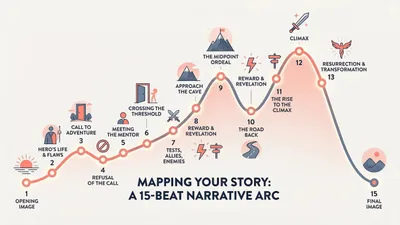
Save the Cat Beat Sheet: All 15 Beats
The Save the Cat beat sheet has 15 story beats from Opening Image to Final Image. Learn each beat with examples and page targets for your novel.
100+ Sci-Fi Writing Prompts
Sci-fi writing prompts organized by sub-genre. 100+ specific, creative ideas to spark your next science fiction story.
Should You Use a Pen Name?
A pen name lets you write freely, protect privacy, or target a new genre. Learn when to use one, how to set it up, and the legal and practical details.

Six-Figure Author: Strategies That Work
Five strategies six-figure authors use: series writing, rapid release, multiple income streams, email lists, and backlist management. Real examples included.
How to Write Small Town Romance
Write small town romance that readers love. Master the setting, key character types, community dynamics, and series potential with tips and examples.

The Snowflake Method: 10 Steps to Outline
The Snowflake Method builds a novel outline in 10 steps, from a single sentence to a full scene list. Learn Randy Ingermanson's complete process.

Story Beats: The Building Blocks of Story
Story beats are the smallest units of change in fiction. Learn the difference between scene beats and story beats, how beats create rhythm, and the but/therefore test.
Symbolism in Literature: 10 Famous Examples
What literary symbolism is and how it works, with 10 famous symbols analyzed from classic novels. Learn to read and write symbols in fiction.
Theme in Fiction: Finding Your Story's Truth
Theme is the underlying truth your story explores. Learn the difference between theme and subject, find your theme, and show it without stating it.
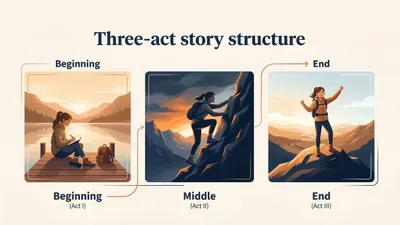
Three Act Structure: A Complete Guide
Learn the three act structure: setup, confrontation, and resolution. See how this foundational story framework powers every great novel and screenplay.

100+ Thriller Writing Prompts
Thriller writing prompts organized by sub-genre. 100+ specific, creative ideas to spark your next thriller story.

Tone vs Mood: What Writers Must Know
Tone is the author's attitude toward the subject. Mood is the feeling the reader experiences. Learn how they differ and how tone creates mood.